Featured Articles
- 12 Innovative Money-Saving Hacks Inspired by Global Traditions You’ve Never Heard Of
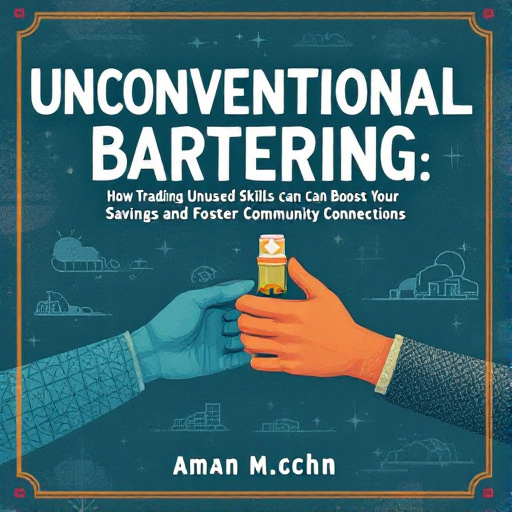
- Unconventional Bartering: How Trading Unused Skills Can Boost Your Savings and Foster Community Connections
- Unconventional Ways to Save: How Quirky Habits Can Boost Your Bank Account and Mental Well-Being
- "Unexpected Savings: How Minimalist Living Can Boost Your Bank Account and Mental Clarity"
- Unlocking the Hidden Cost of Your Coffee: How Small Daily Rituals Can Cripple Your Savings!
Unconventional Bartering: How Trading Unused Skills Can Boost Your Savings and Foster Community Connections
Unconventional Bartering: How Trading Unused Skills Can Boost Your Savings and Foster Community Connections
Unconventional bartering is emerging as a unique way to save money while fostering genuine connections within the community; trading unused skills can redefine how we perceive value. In this article, we’ll explore how this age-old practice is making a comeback, empowering individuals to rethink their worth and create more enriching lives.
Bartending Skills for a Dogwalker
Imagine you’re a bartender with an encyclopedic knowledge of mixology, but your day job keeps you glued to a barstool. Meanwhile, a local dogwalker is tired of the same bland soft drinks and is eager to learn how to whip up cocktails, but has no idea where to start. By bartering your bartending skills for a few sessions of dog walking, both parties benefit without spending a dime—only trading what they love.
The Economics of Bartering
Did you know that according to a survey conducted by the University of Chicago, over 3.6% of the U.S. economy is based on bartering? This statistic is proof that the practice is not just for the eccentric—the modern world is waking up to the practical advantages of skill-swapping. It’s not just about saving cash; it’s about embedding yourself into the fabric of your community, building relationships over mutually beneficial exchanges.
Case Study: The SkillSwap Initiative
A shining example of this trend can be found in the SkillSwap initiative that took place in San Francisco. Established in 2018, it enables users to create profiles that highlight their skills and what they are willing to exchange. Everything from graphic design to tutoring was offered, and participants reported a 90% satisfaction rate. The chances are you might just find someone who knows how to fix that lingering issue with your car while you help them learn how to play the guitar!
Building Trust Through Bartering
Finding trust in the bartering process is fundamental. When you trade skills, you step away from the anonymity of monetary transactions. By engaging face-to-face, whether it’s teaching someone yoga or offering accounting advice, you foster relationships that are grounded in mutual respect. Personal connections ultimately strengthen community ties and create an atmosphere of shared success.
Humor in Bartering
Got a knack for baking? Perhaps you can exchange a batch of cookies for a haircut. Just imagine the hilarity when the stylist realizes they might have just given themselves more work than they bargained for with your ‘doughy’ transaction! There’s something refreshing and light-hearted about trading skills—each moment becomes a delightful story to share at the next community potluck.
The Impact of Technology on Bartering
The digital realm has transformed the way we barter. With apps like Bunz Trading Zone and platforms such as Craigslist, people can connect quickly—no need to pin your notes to the local community board! Reminiscent of social media, these applications operate on a give-and-take model that encourages interaction. Technology has made bartering more accessible, allowing individuals of all ages to exploit their talents and offer their services in exchange for others'.
Age Is Just a Number in Bartering
From 16 to 70, the bartering community welcomes all. Whether you’re a seasoned retiree with years of expertise or a tech-savvy teenager with social media prowess, the skills you possess are valuable. This inclusivity not only cultivates diversity but also allows different generations to learn from each other—imagine a young coder teaching coding skills to an older friend who, in return, shares life’s invaluable experiences!
A Personal Anecdote
As a 25-year-old freelance writer, I once bartered with a graphic designer. I offered my writing services for a few well-crafted logos for my blog. We met at a local coffee shop, and while the logos turned out great, it’s the hour-and-a-half of chatter about dreams, aspirations, and future projects that made the exchange truly worthwhile. We walked away not just with services traded, but a new friendship forged in artistic fire.
Getting Started: Finding Your Local Community
Now that you’re excited about the world of bartering, how do you start? First, identify your skills. Are you talented at DIY home repairs? Can you teach someone how to ride a bike? Next, scout for local community groups or online platforms that promote bartering. Consider attending local fairs or neighborhood meet-ups—keep your eyes peeled for “barter markets,” where you can interact, network, and offer your skills in person.
Emphasizing Sustainability
Bartering isn’t just a new fad; it ties directly into principles of sustainability. By trading skills, we minimize consumption and production waste. Think about it: when you exchange skill sets, you sidestep the need for monetary transactions that dominate our commodified lives. This sustainable transfer of knowledge contributes to a circular economy—one that thrives on mutual aid rather than incessant materialism.
Obstacles to Overcome
Despite the clear benefits, some barriers still exist in the bartering world. People often feel skeptical about the value of their skills or worry about finding someone with an equal skill set. However, it’s essential to recognize that each skill has its worth and the balancing act doesn’t always have to equal monetarily. Open lines of communication push past these fears, transforming hesitation into action.
Creating a Bartering Culture in Your Neighborhood
Want to take your newfound love for bartering further? Create events in your neighborhood focusing on skill-swapping. Host an afternoon potluck where participants can bring their skills—perhaps you could have a mini art lesson while someone else shows how to make a killer guacamole. Fun, food, and friendships combined make for a fantastic community experience that lays the groundwork for future exchanges.
Celebrating Success
Finally, let’s talk about the ‘win’ in your bartering experiences. A study conducted by Time Magazine revealed that people who trade skills often report increased life satisfaction due to enhanced community connections and personal growth. The empowerment of harnessing your skills—knowing what you offer and how it can affect someone else's life—creates a fulfilling cycle of self-discovery and connection.
Conclusion: The Future of Bartering
In closing, unconventional bartering taps into more than just the value of goods or services—it represents a positive shift in our societal framework. It opens avenues for personal connections, mutual respect, and community development. So why not explore the treasure trove of unused skills around you? Embrace the old-world charm of bartering while walking hand in hand with contemporary community-building practices. You might find it's a game-changer for both your finances and your social life.
Related Articles