Featured Articles
- 12 Innovative Money-Saving Hacks Inspired by Global Traditions You’ve Never Heard Of
- Unconventional Bartering: How Trading Unused Skills Can Boost Your Savings and Foster Community Connections
- Unconventional Ways to Save: How Quirky Habits Can Boost Your Bank Account and Mental Well-Being
- "Unexpected Savings: How Minimalist Living Can Boost Your Bank Account and Mental Clarity"
- Unlocking the Hidden Cost of Your Coffee: How Small Daily Rituals Can Cripple Your Savings!
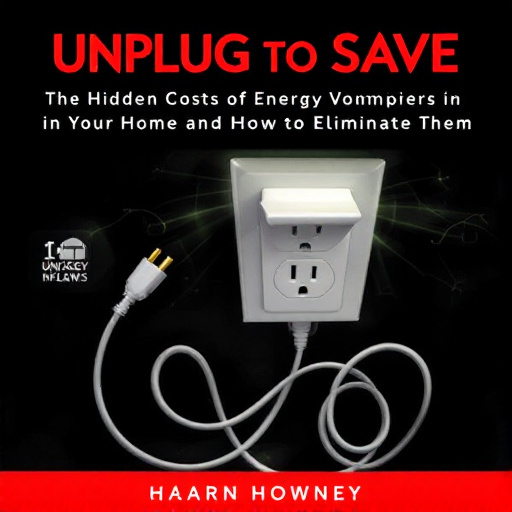
Unplug to Save: The Hidden Costs of Energy Vampires in Your Home and How to Eliminate Them
Unplug to Save: The Hidden Costs of Energy Vampires in Your Home and How to Eliminate Them
Have you ever heard of energy vampires? These sneaky appliances and devices can suck the life—and your money—right out of your home, costing you up to $200 a year in wasted energy. In this article, we’ll unravel the mystery of energy vampires and arm you with the knowledge and strategies to combat them.
Understanding Energy Vampires
In the world of energy consumption, an "energy vampire" refers to devices that continue to consume power even when they're turned off or in standby mode. This phenomenon is also known as “phantom load” or “standby power.” While it might seem trivial, the cumulative effect of these energy-sucking ghouls contributes significantly to your electricity bill.
A Ghostly Presence in Your Home
Imagine this: You walk into a room and see your TV, gaming console, and computer all lying dormant, yet they’re still pulling energy from the grid. You might think, "It's off; how can it use power?" Well, devices like these often draw energy on standby, waiting for the electric impulse that wakes them up. In fact, according to the U.S. Department of Energy, these energy vampires account for between 5% to 10% of residential electricity use. For the average household, this can mean wasting anywhere from $100 to $200 annually, depending on how much you have plugged in.
The Types of Energy Vampires
Let’s get specific! There are several culprits lurking in your home, contributing to your energy bill's unwanted spikes. These typically include:
1. Electronics and Appliances
Televisions, computers, gaming consoles, and kitchen equipment like microwaves and coffee makers are notorious for being energy vampires. They often have settings like "instant on" and "smart mode," which keep them online and accessible—at a cost. For instance, your beloved gaming console could be costing you $12 to $36 per year just by being plugged in!
2. Chargers and Power Adapters
Ever heard of charger “leakage”? Those little blocks that power your smartphones and gadgets continue to draw power even when your devices are not connected. According to the Natural Resources Defense Council, if every American household unplugged their chargers when they aren’t in use, we could collectively save around $1.5 billion a year! Talk about incentive!
3. Home Entertainment Systems
Your surround sound system, DVR, and cable boxes are all part of the energy vampire lineup. Multiple devices designed to work in tandem stack up energy waste when left plugged in. For instance, a cable box can consume between 20 to 30 watts when idle. Multiply that by millions of homes, and you get a spooky figure!
Turning Off the Lights: Real-Life Case Studies
Still skeptical? Let’s examine real consumers who took charge and conquered their energy vampires. Meet Sarah, a 30-year-old who decided to monitor her energy usage with a smart meter. She discovered that her home theater system was drawing power even when she wasn't using it. After making a few changes, including powering down unnecessary devices and investing in smart plugs, her energy bill fell by 20% in just one month, saving her over $50!
Then there's John, a retiree who ran a home office. He noticed that his printer, which stayed plugged in all the time, contributed to his high electricity bills. After unplugging it when it wasn’t in use and switching to energy-efficient models, his annual savings reached a whopping $300.
Combatting Energy Vampires: Tactics for the Homeowner
1. Unplug and Power Down
The simplest yet most effective way to vanquish energy vampires is to unplug devices when they’re not in use. It might sound tedious, but making this a habit can save you a surprising amount of money.
2. Use Power Strips
A great life hack is to use smart power strips. These are designed to cut off power to devices when they’re not in use. For instance, you can connect your home entertainment system to a smart strip that senses when the TV is turned off and kills the rest of the power to ancillary devices, saving you time and energy!
3. Invest in Energy-Efficient Appliances
If you’re in the market for new appliances, look for the ENERGY STAR label. Energy-efficient models can reduce standby power consumption and save you on your electricity bill. For example, ENERGY STAR-rated appliances use 10-50% less energy than their standard counterparts, making your investment worthwhile.
The Bigger Picture: Environmental Impact
Addressing energy vampires isn’t just about saving money. It’s also about being a responsible consumer. According to the World Wildlife Fund, energy conservation can help lower greenhouse gas emissions, reducing your carbon footprint. So when you’re saving money on your electric bill, you’re also contributing to a healthier planet!
Social Responsibility
In a world increasingly driven by environmental concerns, awareness around energy consumption is more crucial than ever. The energy-saving changes you make have far-reaching impacts. It’s not just about personal gain; it’s about possessing a consumer consciousness that can lead to broader societal change.
Humorous Anecdote: Saving the World, One Charger at a Time
Did you hear about the guy who lived in a house where everything was plugged in? He was crowned “The Energy Vampire King”! His friends thought he was just a tech enthusiast, but little did they know he was silently driving up their local power plant's output! Finally, his conscience got the better of him, and after slaying some of those power-hungry gadgets, he became a hero in his neighborhood—and saved a sizable chunk of change along the way!
Final Thoughts: Unplugging for the Future
In closing, it’s evident that energy vampires are not just figments of your imagination; they are real and tangible contributors to your electricity woes. By recognizing their impact and implementing energy-saving measures, you not only save money but also contribute to a more sustainable environment. So why not make the commitment today? Unplug, save, and protect your pocketbook—and the planet!
In the end, remember, whether you’re 16 or 70, taking the time to be aware of your home’s energy consumption can reap significant rewards. Let's band together, unplug those energy vampires, and make each dollar extend just a little further.
Related Articles